Post-Treatment Care for Skin Rejuvenation: Maximising Results and Recovery
15 May 2025

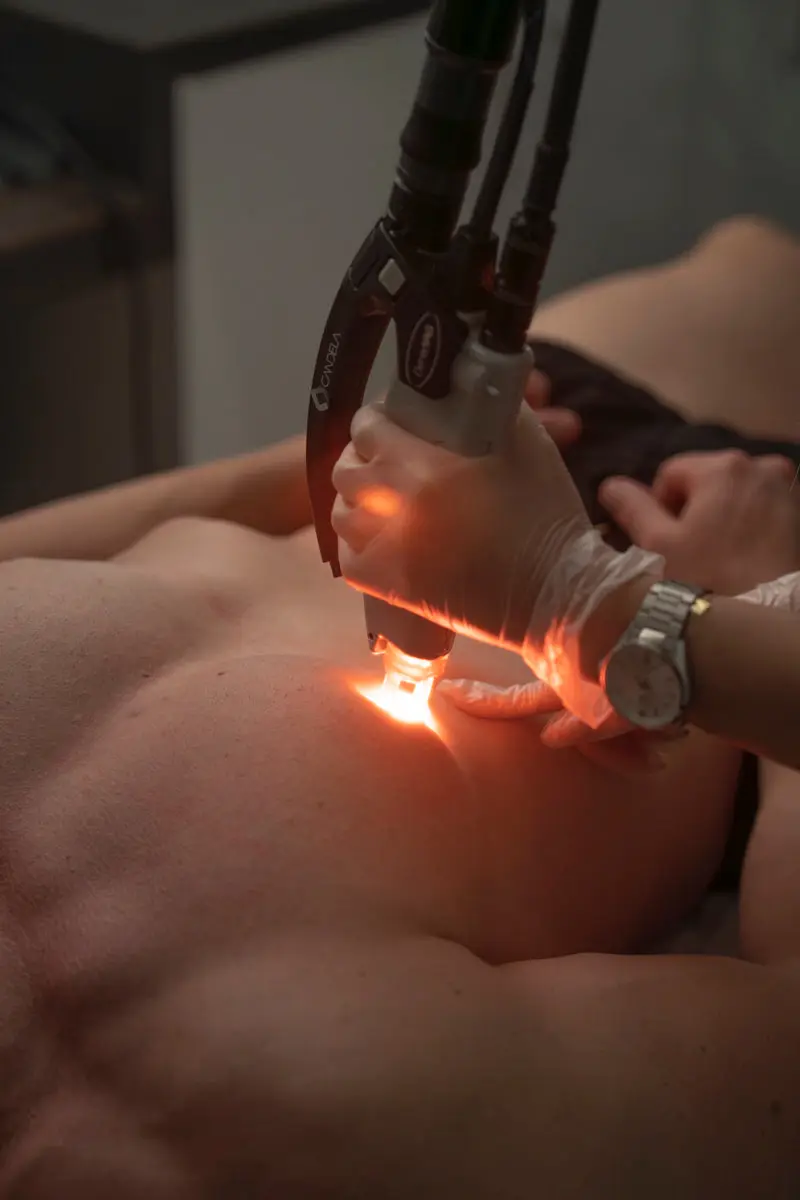
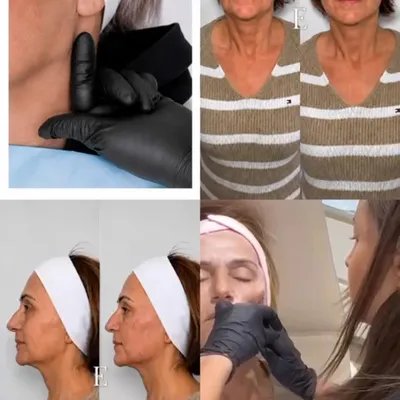
Skin rejuvenation treatments — from laser resurfacing to microneedling and chemical peels — offer non-invasive ways to reduce the visible signs of ageing and improve the overall appearance of the skin, often with relatively short recovery times.
The success of these treatments relies on more than the procedure itself. It also depends heavily on the aftercare that follows. Good aftercare helps maximise the benefits of skin rejuvenation while minimising potential side effects — both immediately after the procedure and through ongoing maintenance. For the clinic’s standing instructions, see our pre- and post-treatment care guide.
Key takeaways
- Post-treatment care is essential to the success of skin rejuvenation procedures. Good immediate aftercare helps minimise side effects and supports recovery.
- Long-term skincare maintenance helps sustain your results and protect against further damage.
Before and immediately after treatment
Following specific guidelines in preparation for treatments such as laser resurfacing, microneedling or chemical peels supports a comfortable recovery and helps the treatment work as intended.
Medical history. A thorough discussion of your medical history — including any history of cold sores or herpes simplex virus — is important, as it may require antiviral medication beforehand.
Medications and skincare. Avoid isotretinoin for six months before treatment, and stop using topical agents such as retinoids, exfoliants or any product containing retinol, AHAs or BHAs at least one week before the procedure.
Lifestyle factors. People who smoke may experience slower recovery. Those who are pregnant or breastfeeding are usually advised to delay treatment. Minimise sun exposure for six weeks before treatment to reduce the risk of hyperpigmentation.
Previous skin treatments. Earlier skin treatments can affect how your skin responds, so share this information with your practitioner to help tailor your treatment.
Immediate post-treatment care
- Apply sunscreen right after treatment and continue daily.
- Apply the recommended post-treatment cream after treatment and for the following five days.
- Cleansing: use a gentle, non-abrasive cleanser. Avoid exfoliating loofahs and active-ingredient cleansers.
- Moisture: apply a recommended moisturiser to keep the skin hydrated.
- Makeup: it’s generally advisable to wait at least 48 hours before applying makeup. Mineral makeup may be worn after 24 hours.
- Monitoring: report any signs of infection, swelling or unusual skin reactions to the clinic promptly for advice.
Ongoing care and maintenance
Maintaining the effects of skin rejuvenation involves a consistent ongoing routine and managing any side effects, which supports longer-term results and skin health.
Skincare and lifestyle. Use a gentle cleanser and a light, oil-free moisturiser. Apply a high-SPF sunscreen daily to protect against sun damage and help maintain your results. A balanced lifestyle — including avoiding smoking and excessive alcohol — supports skin resilience and collagen production.
Managing side effects. Avoid picking at the skin to help prevent scarring and hyperpigmentation. For more significant side effects, such as signs of infection or prolonged redness, consult a healthcare provider.
Maximising and prolonging treatment benefits
To support collagen production and skin firming, a consistent skincare routine centred on hydration and nourishment helps. Antioxidant-rich products can help protect against premature ageing and maintain an even skin tone. Avoiding direct sun exposure and using broad-spectrum sunscreen also helps prolong the benefits of treatments such as chemical peels and fractional laser.
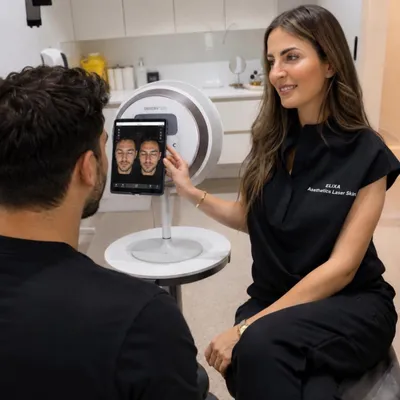
Follow-up sessions. Regular follow-up appointments help monitor your progress and adjust your ongoing care. Additional procedures, such as touch-up laser sessions or maintenance peels, may be recommended over time. You can book a skin consultation to plan your ongoing care.
When to seek medical advice. If symptoms such as pain, excessive redness or signs of infection persist, seek medical advice. Unusual side effects like post-inflammatory hyperpigmentation or increasing discomfort should prompt a consultation with a doctor.
Alternative and complementary treatments
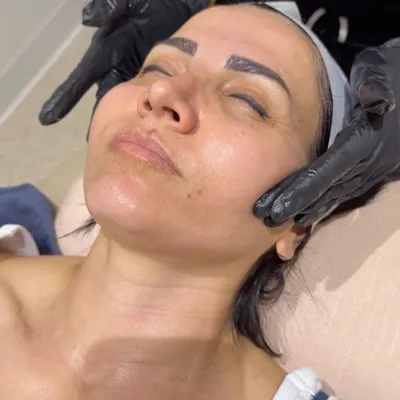
Complementary treatments such as facial massage or hydrating facials can support the effects of your main treatment. Alternative approaches — such as collagen supplements or other practices aimed at skin hydration — may be beneficial, but discuss them with a healthcare professional first to make sure they’re compatible with your post-treatment care plan.